

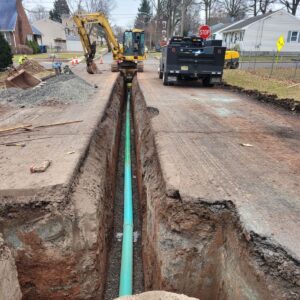
 Groundwater might not be something most homeowners or developers in Edison, NJ think about until it becomes a problem.
But if you’re planning an excavation—whether for a new foundation, basement, utility line, or pool—it’s critical to consider how groundwater could impact your project. We’ve worked on dozens of excavation sites across Middlesex County, and one thing’s clear: ignoring groundwater risks can lead to costly delays, structural issues, and even safety hazards.
Below, we break down the specific issues we run into locally and how you can protect your site from unexpected water intrusions.
Key Takeaways
- Groundwater can cause real problems during excavation in Edison, especially near rivers, older homes, and flood-prone neighborhoods.
- Local clay soils and poor drainage in Edison often lead to trench flooding, soil collapse, or slow progress.
- A successful excavation project needs soil testing, proper timing, and drainage planning tailored to each Edison property’s conditions.
- Milano Contracting helps homeowners in Edison avoid water delays by planning and managing groundwater before digging begins.
Hidden Groundwater Issues We Commonly Encounter During Excavation in Edison
Seasonal High Water Table Near the Raritan River
In areas of Edison near the Raritan River or close to Roosevelt Park, we often hit a seasonal high water table during spring and fall.
Even when the soil seems dry at the surface, digging just a few feet down reveals saturated soil or active seepage. This is especially problematic when excavating for basements or utility trenches, as the water can cause trench walls to collapse or delay concrete pours.
We always factor in recent rainfall and river levels when planning work near these zones.
Undetected Underground Springs in Older Properties
Edison has many older homes, especially around the Stelton and Piscatawaytown areas.
On these properties, we sometimes uncover small underground springs that weren’t documented in any prior records. These springs can feed a steady flow of groundwater into the excavation pit, turning a straightforward job into a constant pump-and-dump operation.
The water can also erode newly laid soil or footings if not controlled properly.
Perched Water Tables in North Edison’s Clay Soils
North Edison, particularly near Oak Tree Road and Woodland Avenue, is known for its dense clay subsoils. These soils can hold a perched water table—a shallow layer of groundwater that sits above a less permeable layer.
When we dig through these layers, water trapped above the clay layer has nowhere to go, leading to pooling or unexpected flooding in trenches. The slow drainage also extends drying times for work areas, which can throw off schedules.
Poor Drainage in Developed Subdivisions Like Fox Hill
In planned communities like Fox Hill or Mill Pointe, landscaping and grading sometimes interfere with natural drainage patterns. This causes surface water to migrate and collect in lower areas—right where people often choose to excavate for backyard pools or additions.
We’ve seen water slowly seep in from lawn runoff or overwatered gardens, even during dry weather, due to compacted topsoil and poor drainage installations.
Interference from Utility Easements and Storm Drain Systems
In parts of Edison where underground utilities crisscross densely—such as along Route 27 or near the Menlo Park Mall area—groundwater often travels along these installed lines. Old or poorly sealed utility trenches can act like underground canals, redirecting water toward your excavation site.
This kind of hidden hydraulic connectivity isn’t visible until you’re in the ground and suddenly dealing with a steady stream of groundwater from a completely different source.
How to Protect Your Excavation Project from Groundwater Risks in Edison
When we take on excavation projects in Edison—whether it’s near the wetlands off Woodbridge Avenue or in the tighter clay zones around Oak Tree Road—we don’t wait for groundwater to become a problem.
Here are the key steps we take to protect your project from groundwater disruptions, delays, and damage.
Perform a Site-Specific Soil and Water Table Analysis
Before breaking ground, we always recommend a professional geotechnical evaluation tailored to your exact location in Edison. A basic site walk-through isn’t enough.
Whether you’re near the wetlands off Woodbridge Avenue or up near Plainfield Avenue’s higher elevations, each site has unique subsurface conditions. A soil boring or percolation test will reveal how deep the water table sits and whether the soil can drain adequately.
This helps us design the right dewatering or drainage approach from day one.
Use Temporary Dewatering Systems During Digging
In groundwater-prone areas like those near Amboy Avenue or Stephenville Parkway, we often deploy temporary dewatering setups like sump pumps, wellpoints, or trench drains during excavation. These systems actively remove water from the work area to maintain stability and prevent flooding.
Timing matters. If we know rain is in the forecast or river levels are up, we’ll increase pumping capacity to keep the job moving without washouts or mud delays.
Schedule Excavation During Dryer Months
In Edison, late summer and early fall tend to be drier months with lower groundwater levels, especially after July’s heavy rains have passed.
Scheduling your excavation work during this time can reduce water-related risks and speed up project timelines. We advise homeowners and contractors to plan foundation and trenching work for August through early October whenever possible, especially in low-lying neighborhoods like Nixon or Potters.
Install Permanent Drainage Solutions Post-Excavation
Once the digging is done, we often recommend installing French drains, footer drains, or gravel backfill with weep pipes—especially for basements or retaining walls. In Edison’s flat terrain, especially near Tingley Lane or Route 1, water tends to linger unless it’s actively managed.
A well-designed drainage system ensures that any groundwater that returns post-construction doesn’t cause structural problems, flooding, or mold issues down the line.
Monitor Groundwater Behavior with Observation Wells
For long-term or phased construction projects, such as commercial builds near the NJ Turnpike or large-scale additions, we sometimes install simple observation wells. These allow us to track groundwater fluctuations over time.
By knowing how quickly water levels rise after storms or over the course of the season, we can adjust our excavation and foundation strategies to stay ahead of any problems.
Don’t Let Groundwater Stall Your Project
At Milano Contracting, we’ve handled excavation jobs across every corner of Edison, from the clay-heavy backyards of North Edison to the flood-prone lots near the Raritan River. We’ve seen how unaddressed groundwater can turn a straightforward dig into a costly mess—and we know how to stop that from happening.
If you’re planning an excavation project, give us a call before you start digging. We’ll assess your site, determine any groundwater risks, and put the right plan in place—whether it means strategic scheduling, temporary dewatering systems, or permanent drainage solutions.
Ready to protect your excavation from groundwater issues?
Contact us today to schedule a site evaluation or request a quote. Let’s keep your project on track and on budget—no surprises, no soggy setbacks.
Frequently Asked Questions
Can groundwater affect nearby structures during an excavation project?
Yes, groundwater can undermine nearby foundations, patios, or driveways. We install temporary barriers and drainage systems to protect adjacent structures while work is underway and after backfilling.
Do I need a permit to pump groundwater during excavation in Edison, NJ?
Yes, some groundwater removal methods require permits. We handle all permit coordination with Edison Township and ensure compliance with Middlesex County environmental regulations.
What drainage options are available if groundwater returns after the project is complete?
We offer long-term drainage solutions like sump pumps, exterior French drains, and gravity systems based on your property’s layout and saturation level.
How soon can you begin work after evaluating the groundwater risk?
Once we complete the site evaluation and permitting, we can usually begin excavation within two to five business days, weather permitting.


